Healthcare app development has skyrocketed in recent years, establishing itself as one of the most critical sectors in mobile product design. The demand surged dramatically with the start of the pandemic in 2020 when safety concerns forced the mass cancellation of in-person appointments, driving an abrupt shift toward remote consultations. Today, with the global market value surpassing $300 billion and annual downloads exceeding 300 million, the competition is incredibly fierce. Apart from that, healthcare apps are considered to be among the most complex and challenging software products to build from a UX design perspective. Launching a basic app is no longer enough – you must deliver a flawless, high-performance product that seamlessly caters to a diverse range of users, including patients of all ages and of different health conditions, doctors of various specialities and administrative staff. Above all, a premium healthcare app demands an impeccable interface that strictly adheres to both medical design principles and rigid digital health regulations.
In this guide we’ve collected the core principles of healthcare UX, along with the typical challenges designers face and the key mistakes to watch out for.
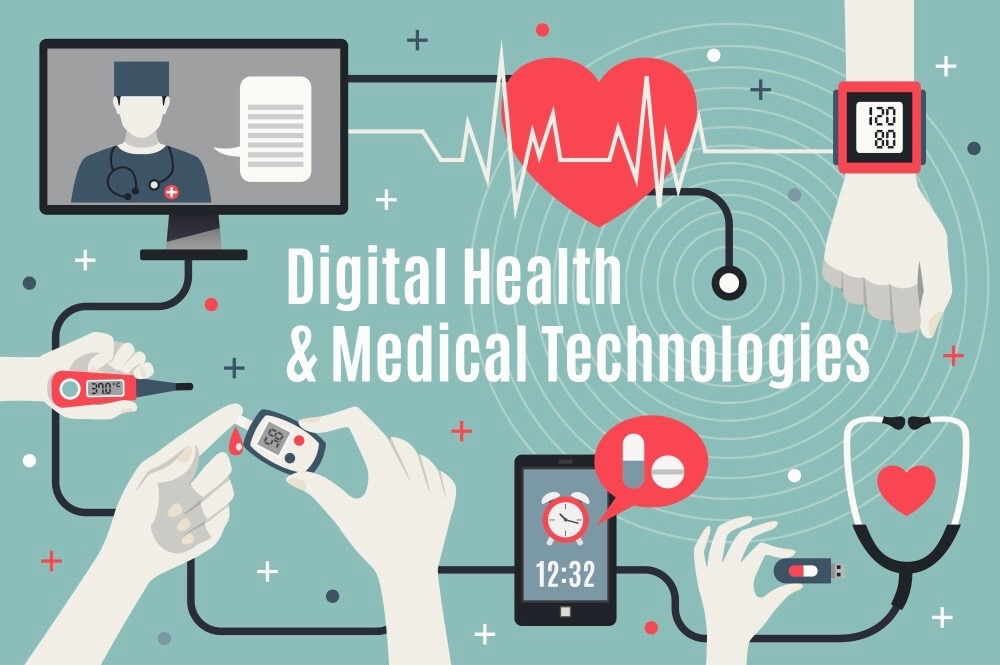
Healthcare UX principles
While rooted in general UX principles, healthcare UX design has its peculiarities and nuances. When designing a medical app, it’s important to keep in mind that the product must provide comfortable navigation for a much wider range of users rather than a more niche app aimed at a specific type of an audience. The interface must remain fully seamless, regardless of the user’s physical or emotional well-being during interaction.
-
Simplicity
Intuitive and easy-to-navigate interface is an absolute necessity in healthcare apps. The system must be so easy to use that users never have to second-guess how to complete a task. For instance, data entry fields should feature explicit cues indicating exactly what information is required. Ultimately, the layout must allow users to effortlessly locate any page or feature, access their personal health records, and maintain a clear understanding of the next step in their user journey. -
User-centered design
In healthcare UX, functionality must always be prioritized over aesthetics. The core focus is to assist users with their health journeys, meaning no design element should distract from performing tasks. Crafting a patient-centered experience requires deep user research, creating personas that reflect various user scenarios (e.g. a patient with a chronic condition vs. someone making a one-time visit). Neglecting user research leads to an app that looks visually appealing but fails to provide functional value. -
Security
Healthcare apps handle highly sensitive personal data including IDs, medical histories and credit card details. All information must be securely encrypted and in full compliance with industry regulations. Users must have absolute trust in the app’s security infrastructure, as even a minor data breach can instantly destroy a product’s reputation and lead to severe legal consequences. -
Accessibility
Healthcare apps audience frequently includes users with disabilities who require extra assistive features to navigate the product. The responsibility of a UX designer is to seamlessly integrate these capabilities. Foundational accessibility includes options like voice-activated search, dark mode and customizable typography. More advanced features can include hands-free assistance, gesture-based controls and native screen-readers. -
Responsiveness
A responsive app must seamlessly adapt to various devices and operating systems, automatically rearranging layout elements to ensure optimal usability. While this is also a foundational standard for all modern software, it plays a huge importance in health-related apps, since they are rarely used on a single device. Users constantly transition between smartphones, smartwatches and desktop computers. The UX must remain completely synchronized and functional across a multi-device journey. -
Consistency and visual attractiveness
While functionality is the priority in healthcare apps, visual attractiveness and design consistency should not be overlooked as well, as a neat and soothing interface directly drives user retention. Because medical content is inherently dense and technical, elements like clean typography, generous spacing and a strict visual hierarchy are essential usability tools that substantially reduce cognitive load. The structural harmony and predictability are especially vital for elderly users or patients with anxiety.
Challenges in healthcare UX design
Developing UX design for healthcare applications is uniquely challenging due to the inherent tension between form and function. Designers face the pressure of crafting a visually pleasing, intuitive user experience while simultaneously enforcing safety and strict data privacy. Balancing between usability and complex regulations is what makes medical apps design uniquely demanding.
-
Data security & Privacy
UX designers must ensure the app complies with all the privacy laws depending on where it is deployed, while safeguarding every piece of patient personal information. One more challenge is to make security transparent, clearly informing users about how their data is protected. -
Clear data visualization
Healthcare apps process massive volumes of complex health metrics, making it a UX designer’s responsibility to structure data transparently and allow users to explore it deeply while keeping the interface clean and uncluttered. -
Accessibility
As mentioned earlier, medical apps must be fully inclusive, accommodating users regardless of their age, physical limitations or health conditions. Here, the challenge lies in integrating robust assistive features without cluttering the interface with unnecessary options. -
Responsive design
Another challenge for healthcare UX designers is to maintain functional consistency of the product across a diverse range of devices it might be used on, ensuring that the interface remains intuitive and accessible whether viewed on a smartphone or any other gadget. -
User retention
Healthcare apps are typically used occasionally only when medical assistance is required, making daily active engagement a significant challenge. UX designers must implement creative retention strategies through gamified trackers, daily health challenges and highly personalized notifications.
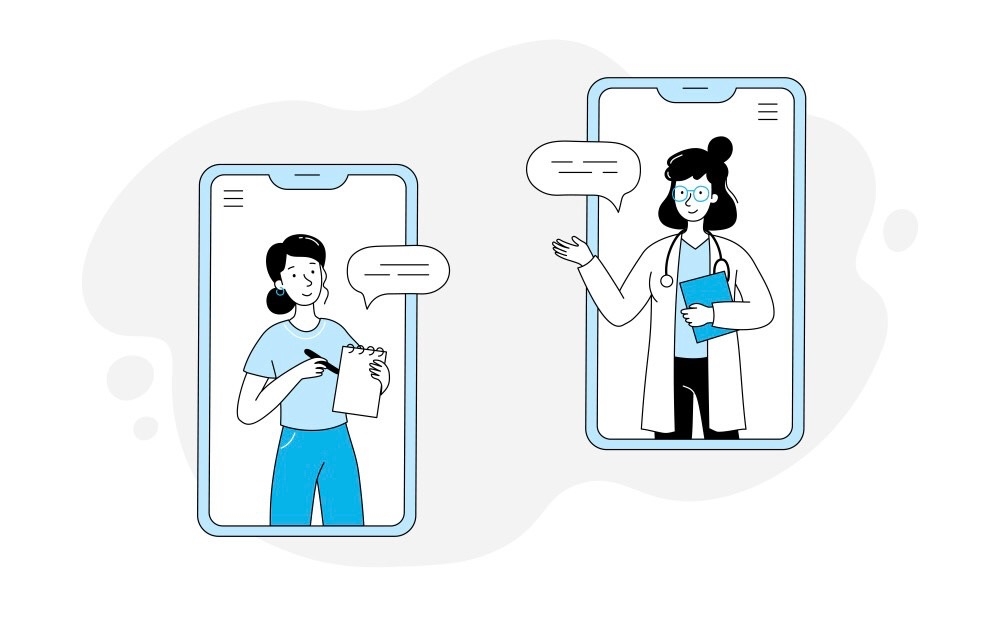
Common mistakes in healthcare UX
In today’s highly-competitive software market, even the slightest design flaw can lead to immediate user churn. When confronted with complicated onboarding, confusing navigation or excessive data entry fields, users are most likely to abandon the app in favor of a more intuitive alternative rather than waste their time trying to sort things out.
-
Poorly organized onboarding
Stumbling upon a complicated registration process or being forced to enter excessive personal data before even having the chance to browse the app is the leading cause of early user drop-off. The optimal approach is to enable a seamless sign-up in just a few clicks, allowing users to immediately explore the app while delivering a supportive, contextual onboarding experience. -
Chaotic interface
Medical app UX must strictly adhere to the rules of clear visual hierarchy. Patients frequently interact with healthcare platforms when physically or emotionally compromised, which makes it vital to ensure they can instantly find critical features without agonizing search. A poorly-structured chaotic interface prolongs search time, hiding important features where the user doesn’t intuitively expect them to be. -
Excessive forms
In digital healthcare products, users are often required to input their personal data that informs doctor appointments or used to personalize notifications. While gathering essential information is mandatory, forcing patients to complete massive forms only leads to user frustration. When confronted with bloated questionnaires, patients feel their time is being wasted and grow suspicious about why the app requires so much data. -
Unclear error messages
Error messages are crucial tools that inform users exactly what occurred during a system failure and provide clear instructions on how to resolve the issue. A vaguely formulated error message fails to solve the underlying problem, leaving the user feeling frustrated and helpless. -
Clinical jargon
While deploying clinical jargon is perfectly acceptable in niche platforms built exclusively for medical staff, it is completely unacceptable in apps designed for a general audience. Complex medical terminology alienates and confuses patients. All in-app information must be articulated using plain, accessible language that is easily understood by users of all ages and educational backgrounds.
Ways to enhance UX in healthcare apps
With the rapid advance of technology and digital products, UX design must evolve at the same pace, and healthcare UX is not an exception. Medical apps must continuously adapt and evolve to stay relevant, improve user journey with each update and deliver the safest high-quality care.
-
Personalization
Every patient has their own health issues, making interface personalization an extremely useful feature in medical apps. For instance, the dashboard needed by a cardiology patient differs fundamentally from that of a new mother; each requires a personalized layout tailored strictly to their specific health journey. Customized health trackers, personalized notifications and health tips, personal appointment schedules and reminders for medications shield users from cognitive overload from irrelevant general information. -
AI integration
Integrating AI features into medical apps significantly enhances the user experience by providing predictive analytics and diagnostic tools, such as advanced patient data analysis and helpful chat-bots with health insights. However, it’s important to implement only relevant AI capabilities and avoid overloading the app with unnecessary AI tools simply to chase trends. -
Wearables support
Wearable technology, including smartwatches, fitness trackers, and smart rings, has become an integral part of everyday life, transforming how users monitor their health and fitness journeys. Establishing a seamless integration with these devices allows healthcare apps to automatically track health metrics and deliver real-time insights directly to the user. -
Online consultations
Not every health issue requires a personal doctor appointment, as patients often just need a quick consultation. Integrating a simple, real-time chat into the app is the perfect way to solve this problem. It allows users to ask doctors questions, send photos, and get medical advice instantly.

Conclusion
Healthcare apps bear a unique responsibility that sets them apart from standard digital platforms, as they are aimed for users who are dealing with health issues, feel anxious, or rushing to complete a critical task. While not every healthcare challenge can be solved solely by a good UX, it still provides users with a seamless interface to complete their tasks in comfort. The final goal of any healthcare product UX is to create an interface that deeply respects the patient’s time and provides the best user experience in whatever circumstances. Achieving this standard demands continuous research, usability testing, and iterative refinement as patient behaviors and technological expectations progress.
ссылка на оригинал статьи https://habr.com/ru/articles/1095324/