Disclaimer: At the level of school math, they teach you that you can’t divide by zero. Then at the calculus level you learn that there are ways. There’s nuance to it. You’ll need the concepts of limits, infinities and undefined values. But you can work around dividing by zero. So, the teachings I’ll talk about are true on the surface level. But once you add nuance to them, they stop being obvious. Without further ado…
1. Players should be rewarded
You know this design. You press a button and get a reward. You make two steps and get a reward. You log in and get a reward. So let’s talk about rewards.
There are two types of reward: intrinsic and extrinsic. Extrinsic rewards are whatever developers give to the player — loot, exp, currency. Intrinsic rewards are whatever happens in the player’s head — joy, satisfaction, sense of accomplishment.
First and foremost, players play games to get the intrinsic reward. Driving a truck or a rally car in a sim calms me down. I don’t need any other gratification from the game. Whatever fun or joy a game creates is a reward for the player already. It is always there.
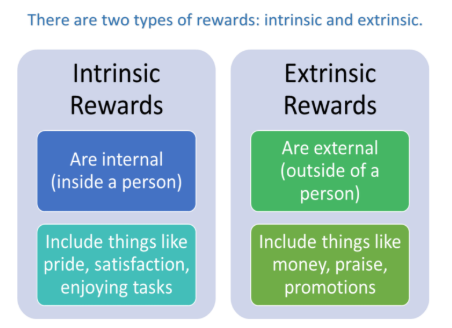
Knowing this, the question transforms: it’s not “should we reward the player”? Yes, you should. But the true question is “should we add extrinsic rewards on top of intrinsic”? And to me the answer is not so obvious.
The original Doom (1992) didn’t have any collectables, unique loot or upgrades. But finding secret zones in it was still fun. Unraveling environmental hints, feeling smart for reaching a restricted area, feeling joy encountering something unexpected. It’s a reward on its own.
Sure, you can use extrinsic rewards as a bandaid to reward players for activities they wouldn’t feel joy performing. But why are you creating such activities in the first place?
Assuming players reward themselves intrinsically, what’s the role of extrinsic reward? They are needed to guide the player. At a crossroads, the player can go left or right. And you want them to go left. So you put more reward on the left than on the right. Extrinsic reward is used to reinforce patterns you want to see from the player and lack of reward discourages patterns you don’t want to see. Or with dark patterns it’s possible to use rewards to manipulate the player, up to forcing them to do what you want.
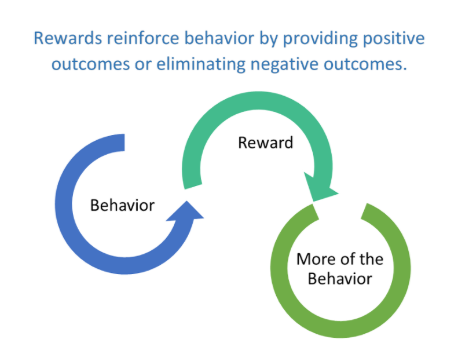
So, just forget the mantra “player should be rewarded” and stop slapping rewards on every activity you have in the game.
2. Players like exploring
Whenever level design questions are brought up, someone always notes that players like to explore everything. Do you need to make an appendix route? Sure! Players like exploring. Do you need to put loot in this zone? Sure! Players like exploring. And we need to reward exploration, of course.
I have a hard time recalling a single AAA game that doesn’t treat exploration as a given, as an activity everyone would enjoy. There are always collectables to find, currencies to loot, upgrade materials to hoard. Note: talking about single player games. Sure, Marvel Rivals doesn’t revolve around level exploration.
And speaking of Marvel Rivals, it’s a good example to show that a game doesn’t have to have exploration in it to be enjoyable. Rivals, Siege, Hades, Slay the Spire, XCOM. You name it.
Why do players come to your game? What’s their intrinsic reward? What’s the game’s fantasy? Do they enjoy the thrill of combat, a meditative routine, or solving puzzles? Are you showing a post-apocalyptic world or an iconic location?
So, how exactly does an exploration loop reinforce the core thing your players come to you for? In Hitman exploration opens up new opportunities. Awesome! Exploration synegizes with the assassin fantasy. In The Last of Us, resources are scarce. You need to scavenge the environment. And exploration directly conveys how people survive in this world. But if we’re talking about Devil May Cry, does a devil hunter really need to search every nook and cranny or check every corner of a building?
Is there a chance that exploration in fact detracts from the experience your players are seeking? Doom Eternal is all about momentum. Quoting the devs: Bruce Lee with a shotgun on a skateboard. And well… why exactly does Bruce Lee take the time to stop and collect some dolls?

Sure, you need to break up combat and give players some breathing room. But is an exploration loop the best way to achieve that?
Yet again, once we add nuance to it, the question isn’t “how to implement exploration” nor “how to make it fun”. First, you need to ask, if your game really needs an exploration loop and wether players that come to your game really enjoy this type of activity.
3. Players belong to different types
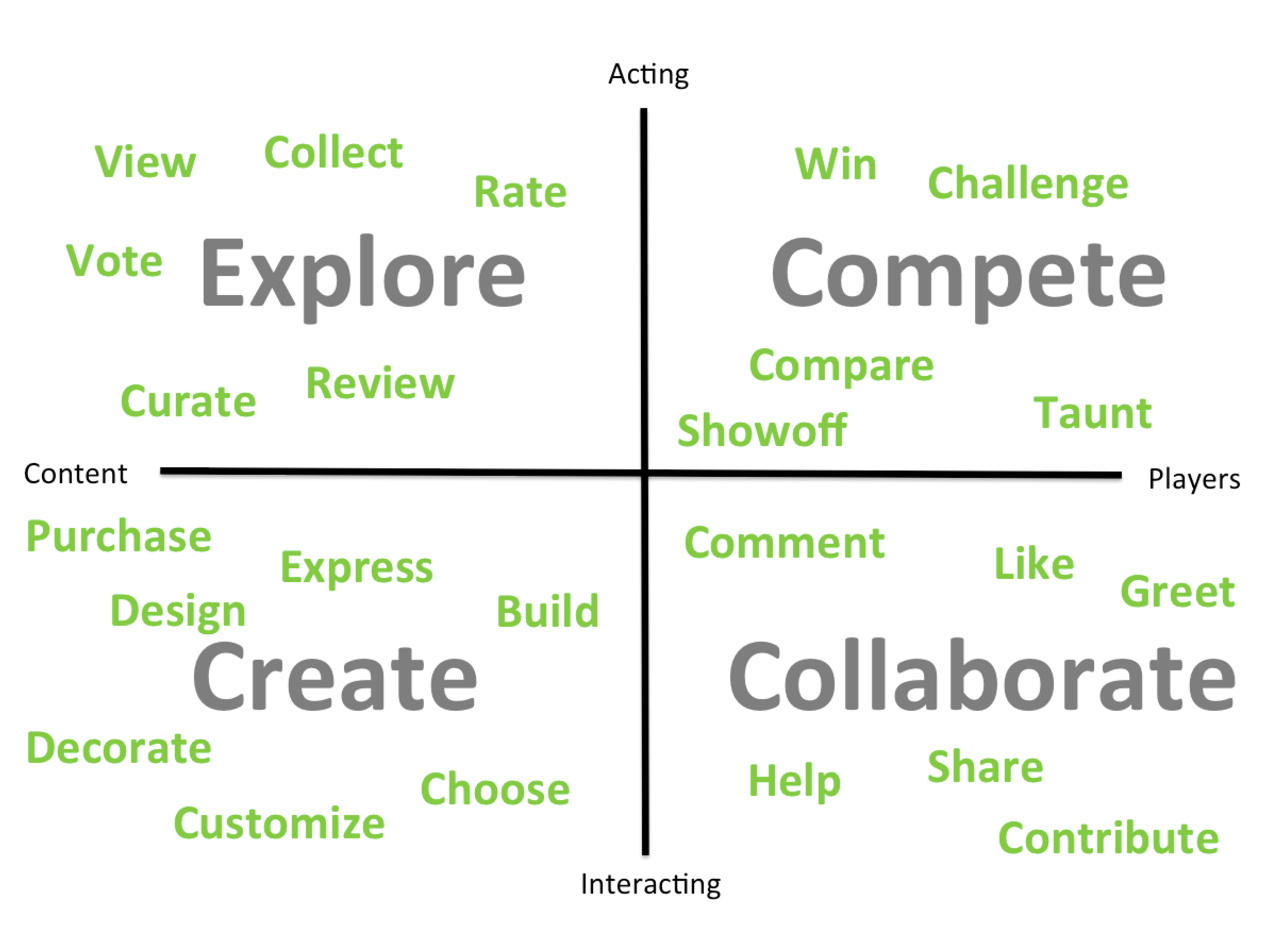
Most likely, you’ve heard of Bartle’s taxonomy. He divided players into eight types. Explorers, dominators, achievers, socializers and so on. Or take any other existing taxonomy. Doesn’t really matter.
Then when a team discusses what features they want to add to the game, they often rely on the types of players. For example, we add this secret zone for explorers. And this collection mechanic for completionists.
And well, this approach kinda makes sense. Earlier we discussed intrinsic rewards. And sure, different players have different intrinsic motivations. Or to put it simply, enjoy different things. The base assumption here is that players in your game will perform activities they like and skip activities they don’t like. This is not true.
You need to take into account extrinsic rewards. Whatever coins, materials, loot or EXP points players obtain by performing the activities. Sometimes people do something they don’t like to get a payment.
Three players play the same game. First player explores because they like exploring. Second explores because they might find an enchanted weapon and become stronger. And the third player explores because previous games have taught them that every corner might contain something important, and they fear missing out. All three seem to like exploring because you see them doing it. But only the first truly likes it.
Yes, in your game players explore the levels. But can you be sure that they explore because they sincerely like it, because they are explorers? Or do they explore because you forced them to by placing resources they need in hidden spots? Or because they were conditioned by other games doing so?
Take a look at Doom Dark Ages. Presumably, this game attracts the type players who enjoy combat and mastery. They would want more combat options and have those options stronger. How do you obtain these in The Dark Ages? By exploring and collecting coins and gems to purchase upgrades.
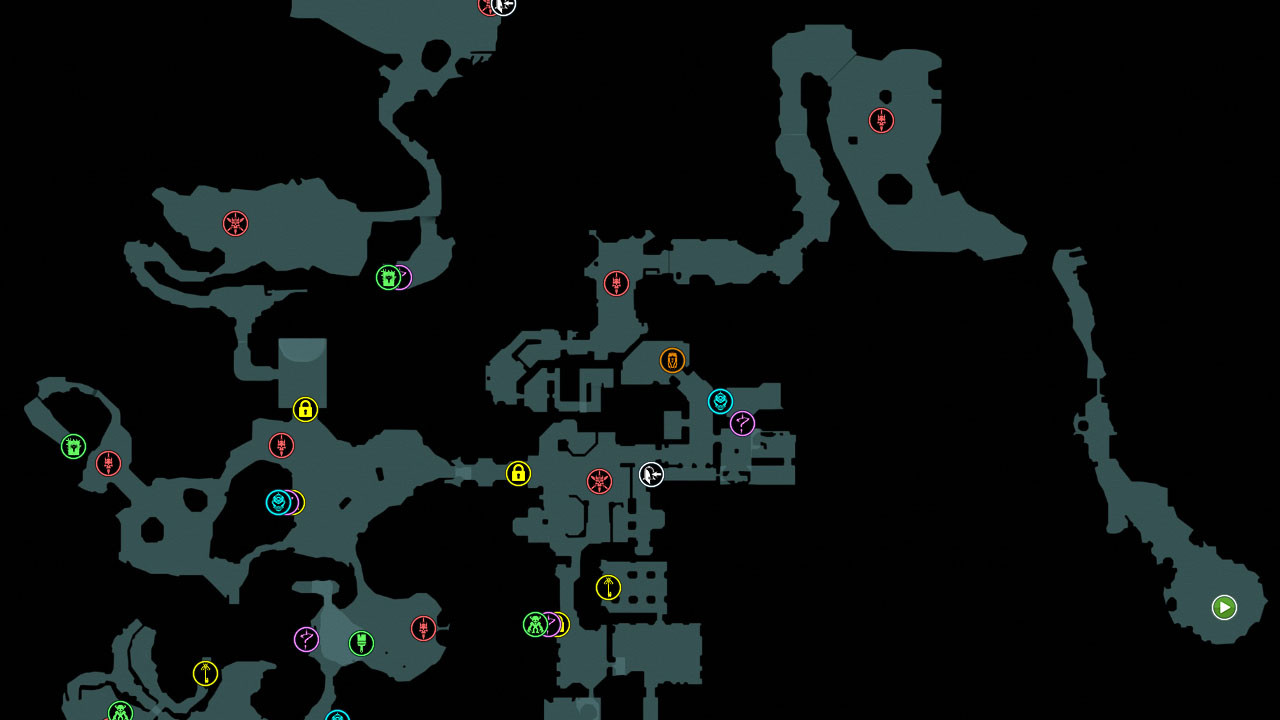
There’s only one optimal way to play Doom: to fight demons and explore to collect coins. A player can’t belong to a type that chooses one activity and skips the other. Or rather, they can, but then they will be at a disadvantage. Functionally the game penalizes players who choose to belong to a single type.
By creating a game system that rewards one behavior and discourages another, you directly tell the players what they need to do to be successful at your game. And most of the time they don’t really have any choice other than following the established rules. Players simply don’t have the freedom to belong to a type.
Different players enjoy different things. This is true. But once we add nuance to the question we need to check, does your game truly support interests of different types of players? Or does it simply use rewards to push everyone toward the same behavior?
Conclusion
A lot of design teachings sound reasonable at the surface level:
Different people like different things. Obvious.
If they choose to participate in an activity they must like it. Right?
Players should be rewarded for participating. Sure!
Each individual statement looks simple and obvious. But once you consider them together, it’s a pretty volatile mix.
ссылка на оригинал статьи https://habr.com/ru/articles/1095590/